Grace Ashiru
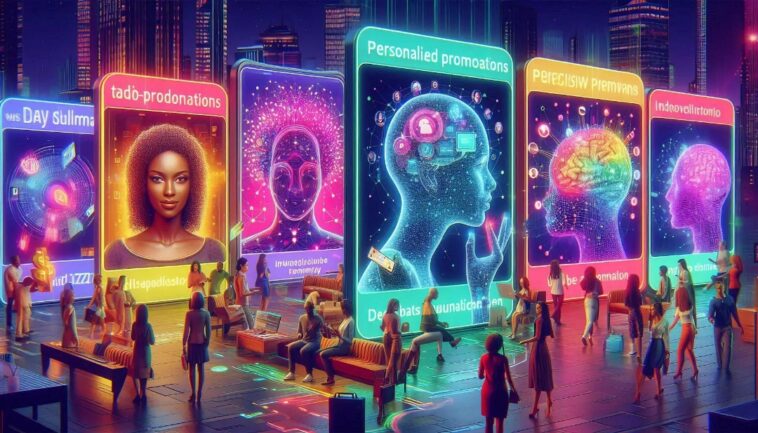
Personalized promotions have fundamentally changed how digital platforms engage users. Deep learning enables systems to analyze vast behavioral datasets in real time, ensuring users receive offers tailored to their interests, habits, and past interactions. The business impact is measurable: studies show personalization technologies can improve conversion rates by up to 15% and increase average order values by as much as 20%.
How Deep Learning Shapes Promotional Systems
Deep learning models process enormous data volumes to identify patterns humans cannot easily detect. Platforms track browsing behavior, purchase history, session duration, and interaction timing to build comprehensive user profiles. Algorithms then segment audiences with precision that traditional demographic targeting cannot match.

Modern systems typically deploy multiple models simultaneously. One model forecasts interaction probability with specific promotions while another estimates customer lifetime value. The combination helps businesses craft offers that balance relevance with profitability. Research indicates that deep learning-based recommendation systems achieve 27-41% higher precision than traditional matrix factorization approaches.
Online platforms across industries use these systems to personalize experiences. E-commerce giants like Amazon recommend products based on browsing patterns. Streaming services like Spotify and Netflix curate content libraries for individual tastes. Gaming and entertainment platforms apply similar logic—users can bet smarter with 1xBet, Betway, and FanDuel as these platforms analyze behavioral data to surface relevant options and optimize promotional timing.
Measurable Benefits
The data supporting personalized promotions is compelling. According to industry research:
91% of consumers are more likely to shop with brands providing relevant recommendations. Personalized calls-to-action powered by machine learning perform 202% better than generic versions. Companies using AI-driven personalization report 15-20% improvements in overall marketing effectiveness, according to McKinsey research. Amazon’s recommendation engine drives approximately 35% of the company’s annual sales through personalized suggestions.
For platforms, this translates to higher engagement, improved conversion rates, and more efficient marketing spend. For users, it means discovering relevant products and offers rather than generic promotions.
Data and Privacy Considerations
Deep learning’s effectiveness depends on data access, making privacy a critical consideration. Responsible platforms address this through several practices:
Collecting only data necessary for optimization purposes. Implementing strong encryption for user data protection. Providing clear user controls over data usage preferences. Maintaining transparency about how personalization works.
Regulatory frameworks like GDPR and CCPA have established baseline requirements, but leading platforms go further. Research shows customers respond more favorably to personalization when they trust their privacy is respected—over-personalization that feels invasive actually decreases engagement.
Technical Architecture
Modern personalization systems operate through layered architectures. Neural networks initially designed for image recognition and natural language processing have been adapted to interpret consumer intent and predict purchase probability. These systems process petabytes of behavioral data to identify non-linear relationships between user actions and preferences.
Real-time processing is essential. Research shows recommendation relevance diminishes rapidly with response time, with engagement dropping 5-8% for each 100ms of additional latency. Contemporary systems achieve 99th percentile response times of 80-150ms even when processing millions of users and products.
Emerging Trends
Several developments are shaping the future of personalized promotions:
Real-time personalization adapts content based on live behavioral signals rather than historical patterns alone.
Cross-platform coherence unifies mobile, web, and email experiences into consistent personalized journeys.
Predictive analytics anticipates future interests before users express explicit purchase intent.
Federated learning enables personalization while keeping sensitive data on user devices rather than central servers.