Grace Ashiru
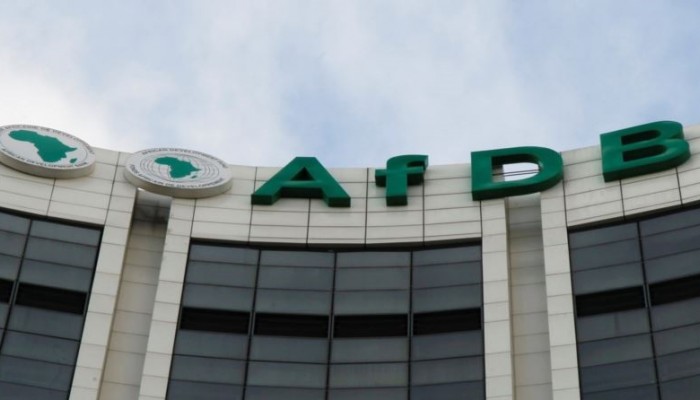
Sidi Ould Tah’s leadership at the African Development Bank is entering a decisive phase as the Mauritanian economist begins translating his campaign promises into institutional direction. After taking over the continent’s largest development lender, he has moved quickly to frame his presidency around financial reform, domestic capital mobilisation and a more assertive African development agenda.
Tah came into office with a strong mandate. He was elected president of the African Development Bank in May 2025 after three rounds of voting, defeating several candidates and emerging as the successor to Akinwumi Adesina. His background as a former Mauritanian minister and former head of the Arab Bank for Economic Development in Africa gave him a profile rooted in both public finance and development banking.


His presidency is being shaped by what he has called the “Four Cardinal Points”. These include improving access to capital, reforming African and global financial systems, harnessing Africa’s demographic potential and building climate-resilient infrastructure. These priorities reflect the financial pressure facing the continent as aid flows decline, debt burdens rise and infrastructure needs remain enormous.
One of Tah’s major ideas is the New African Financial Architecture for Development. The initiative is designed to help Africa mobilise more of its own capital to finance development. The AfDB has argued that Africa has large pools of institutional capital, including pensions, sovereign funds and savings schemes, but that much of this money remains fragmented or invested outside the continent. Tah wants the bank to help channel more of that capital into bankable African projects.
This strategy has already started to influence the bank’s public direction. The AfDB is pushing for stronger use of guarantees and risk-sharing tools to attract private capital. It is also moving to increase its stake in the African Trade and Investment Development Insurance agency, a platform designed to de-risk investments through guarantees and insurance.
Tah has also sought to strengthen partnerships beyond Africa’s traditional donor base. In January 2026, the AfDB held its first meeting with Arab development finance institutions under his leadership, with the goal of building a more structured partnership with the Arab Coordination Group. This reflects his belief that Africa needs a wider set of financing partners as Western aid becomes less predictable.
Inside the bank, his leadership is expected to involve organisational changes. A separate report by Financial Afrik said Tah announced a deep overhaul of the AfDB’s organisational structure following the bank’s 2026 Annual Meetings in Brazzaville. The full details of that report were behind a membership wall, but the accessible portion confirmed that the proposed reforms were linked to the governors’ endorsement of his strategic vision.
Tah’s challenge now is to turn ambition into execution. Mobilising African capital is politically attractive, but it will require strong project preparation, credible guarantees, investor confidence and coordination across governments, regulators and financial institutions. Analysts have also warned that domestic capital alone cannot close Africa’s development financing gap, meaning the AfDB must use African resources to attract, rather than replace, foreign and private investment.
Even so, the direction of travel is clear. Tah is trying to position the African Development Bank as a more active architect of the continent’s financial future. His early months suggest a presidency focused on reforming the bank’s internal machinery, expanding its partnerships and making Africa’s own capital central to the next phase of development finance.