Kevin Mwangi
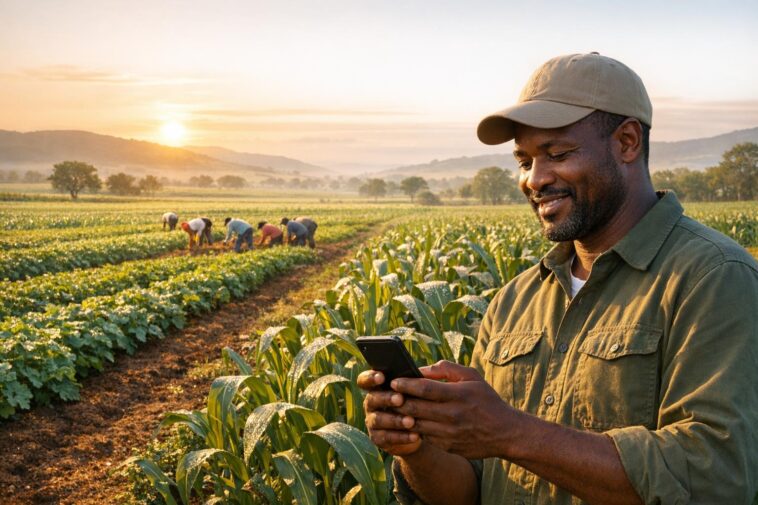
Khula, a South African agritech startup, is transforming farming with its digital platform that connects farmers to markets, funding, and expertise. Backed by PepsiCo’s Kgodiso Development Fund, Khula raised $6.7 million in March 2025 during its Series A funding round. This partnership addresses major agricultural challenges like limited market access and Africa’s $65 billion financing gap.
Key Highlights:
- PepsiCo’s Role: The Kgodiso Fund, created in 2020 with $32.7 million, supports Black farmers and agribusinesses. PepsiCo is now Khula’s largest buyer, offering farmers guaranteed market access.
- Khula’s Platform: Features include:
- Fresh Produce Marketplace: Direct farmer-to-buyer connections.
- Inputs App: Access to 5,000+ farming products.
- Funder Dashboard: Links farmers to low-interest loans.
- AI Integration: Farmers can diagnose crop issues, like diseased tomatoes, using AI-powered tools.
- Growth: Over 20,000 users and a 10x valuation increase since its 2021 seed round.
- Expansion Plans: Pilots in East Africa and Latin America are underway, leveraging PepsiCo’s global supply chain.
Khula’s approach combines digital tools, financial support, and market access to empower farmers and reduce post-harvest losses. Its partnership with PepsiCo is reshaping African agriculture and scaling globally.
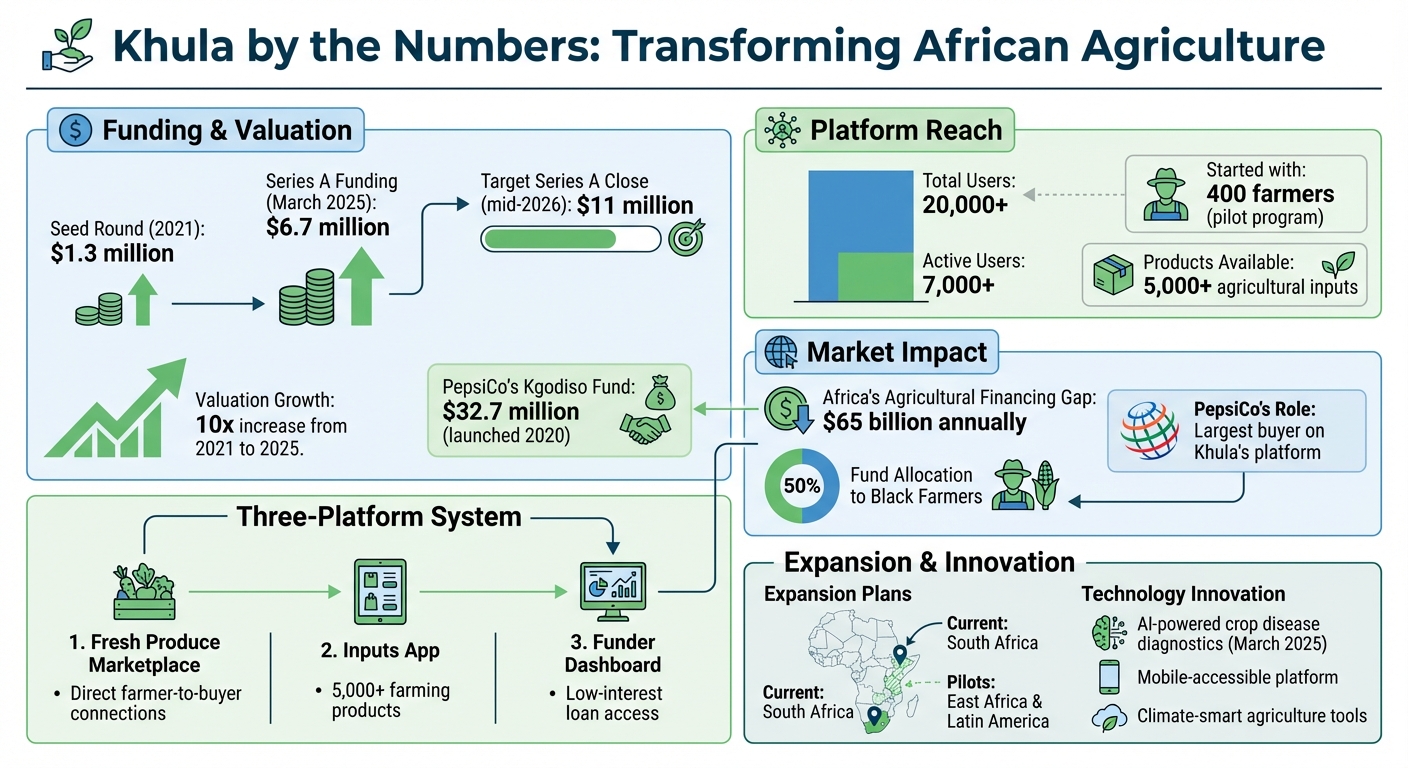
Khula Agritech Platform: Key Statistics and Growth Metrics
A Keynote by Matthew Piper | The Founder’s Journey: From Idea to Impactful
Khula‘s Mission and Technology Solutions
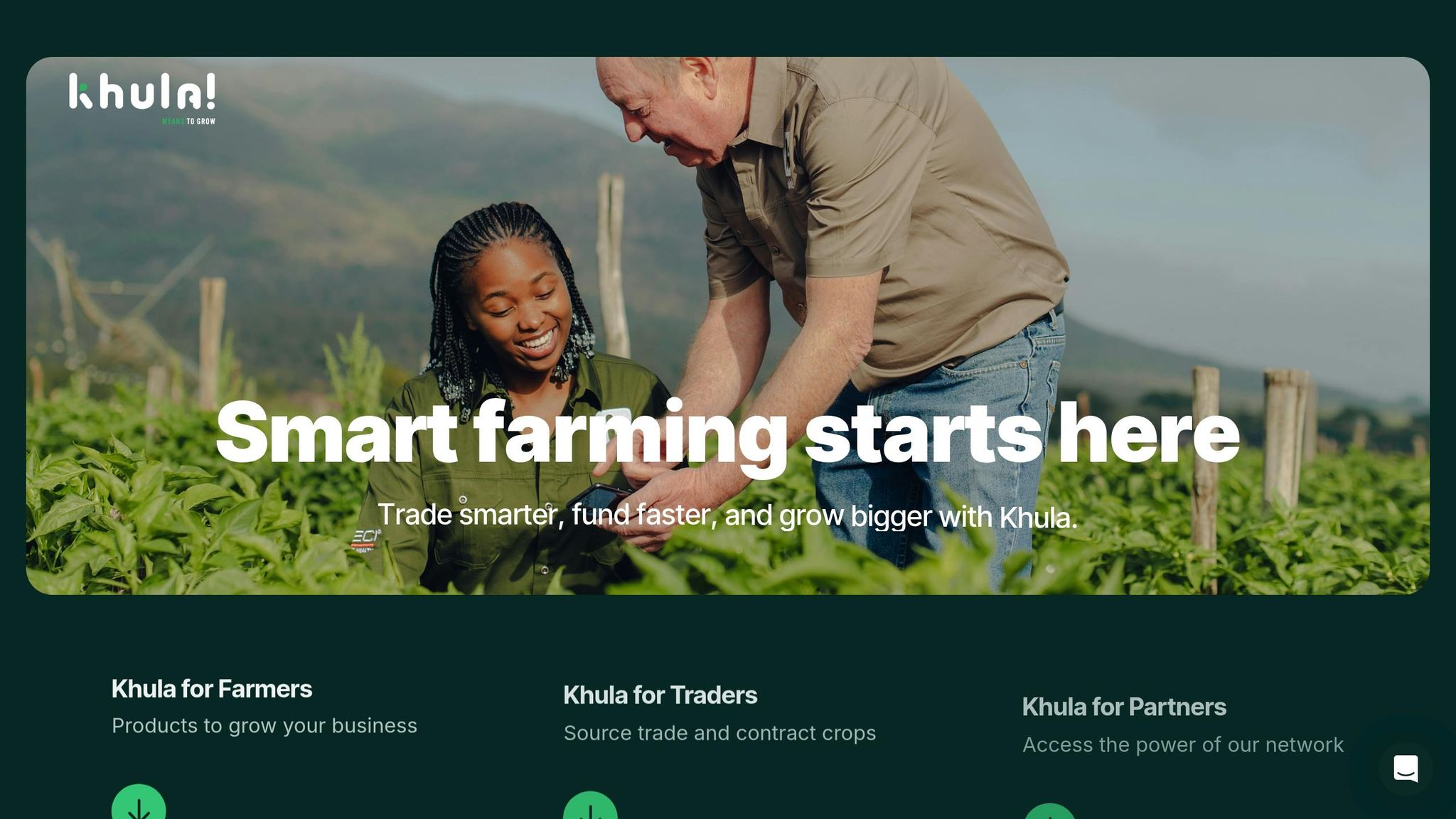
Khula is on a mission to reshape African agriculture through advanced digital tools. At its core, Khula aims to empower emerging, small, and medium-sized African farmers by creating a digital ecosystem that connects them with suppliers, bulk buyers, and accessible financing options. Acting as a one-stop solution, the platform provides farmers with logistics support, technical expertise, and smart input recommendations – all accessible through mobile technology.
Khula’s Three-Platform System
Khula operates a streamlined three-platform system designed to simplify the agricultural value chain:
- Fresh Produce Marketplace: This platform connects farmers directly with retail, wholesale, and export buyers, making bulk sales easier and ensuring dependable market access.
- Inputs App: Farmers gain access to over 5,000 agricultural inputs, including seeds and plant protection products, sourced from both local and international suppliers.
- Funder Dashboard: This tool links farmers with investors, offering access to low-interest loans through a standardized payment system.
In March 2025, Khula took things further by integrating AI-powered diagnostic tools into its software. With this feature, farmers can snap a photo of a diseased crop – like a spoiled tomato – and receive detailed analysis along with corrective measures. CEO Karidas Tshintsholo elaborates:
A farmer can also do things like take a picture of a rotten tomato and the app will provide details on what’s wrong with it through the models that we have trained.
These advancements are making it easier for farmers to boost productivity and access markets more effectively.
Results for Farmers and Agricultural Businesses
Khula’s integrated platforms are driving meaningful change for farmers and agribusinesses. By opening up new market opportunities, the platform has built a strong user base and delivered measurable improvements in productivity. One standout example is PepsiCo, which has become the largest buyer on Khula’s closed trading platform. Through this partnership, pre-approved farmers can sell their produce directly into a global supply chain that includes well-known brands like Simba and Lays. This arrangement reduces post-harvest losses and provides a steady income for farmers who previously struggled to secure reliable buyers.
Khula’s impact goes beyond just market access. Through the Kgodiso Fund, farmers receive mentorship on climate-smart practices and regenerative agriculture, helping them build resilience and ensure long-term success. With its combination of AI diagnostics, direct market connections, and tailored financial services, Khula is addressing the long-standing challenges that have prevented many African farmers from reaching commercial success.
PepsiCo‘s Kgodiso Fund and Its Investment Goals
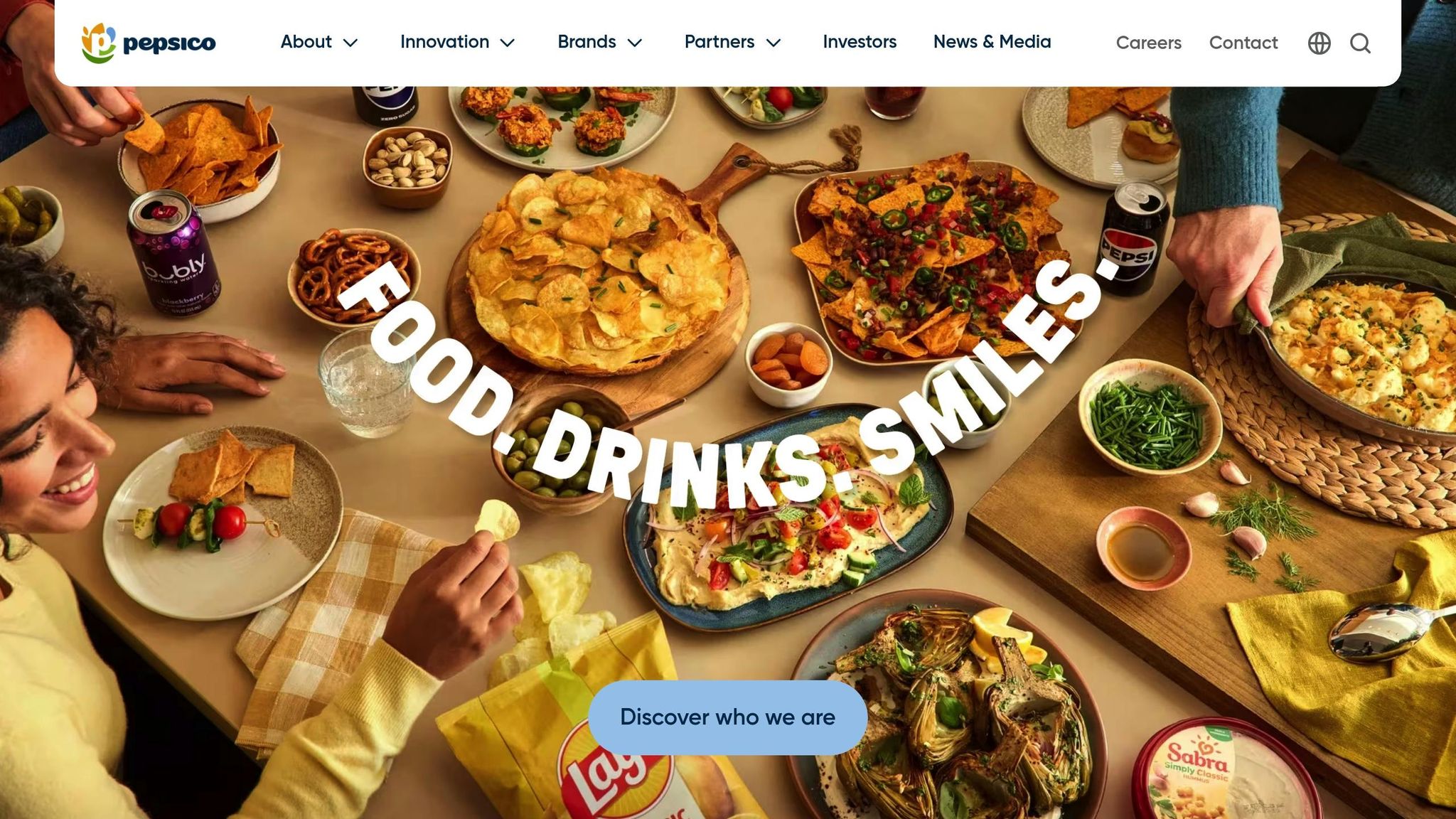
PepsiCo’s Kgodiso Fund, launched with a $32.7 million (R600 million) investment in March 2020 after the company acquired Pioneer Foods, is focused on transforming South Africa’s agricultural landscape. The fund’s mission aligns closely with Khula’s goal of modernizing African agriculture. Its primary aim is to empower emerging farmers and small-to-medium enterprises by fostering sustainable growth. This is achieved through low-interest loans, technical assistance, mentorship, and skill development in three key areas: agricultural development, enterprise support, and addressing knowledge gaps in STEM, R&D, and climate-resilient crops.
Half of the fund is specifically allocated to Black farmers and agribusinesses. Over its five-year span, the initiative is designed to create local jobs and strengthen procurement by integrating smaller enterprises into PepsiCo’s supply chain. This approach not only helps small-scale farmers scale up to commercial levels but also supports projects like Khula’s growth and tech advancements, which are explored further below.
Why the Kgodiso Fund Chose Khula
The decision to invest in Khula in March 2025 was a strategic move for PepsiCo. Khula’s three-platform ecosystem connects farmers with buyers, suppliers, and investors, directly addressing the systemic challenges the Kgodiso Fund aims to solve. Eugene Willemsen, PepsiCo’s CEO for Africa, Middle East, and South Asia, emphasized the importance of this partnership:
Strategic partnerships with innovators such as Khula help to address local development challenges and tackle knowledge and skills gaps across the South African food system.
Khula’s technology, such as its AI-powered crop disease diagnostics, aligns perfectly with the fund’s focus on precision farming and climate-smart practices. Furthermore, Khula’s impressive growth trajectory – its valuation increased tenfold between its 2021 seed round and its Series A round – showcased its scalability. This potential for expansion, especially with PepsiCo’s global network, made Khula a standout investment.
Setlakalane Molepo, Chairperson of the Kgodiso Development Fund, highlighted the synergy between the two organizations:
The relationship with Khula is exciting because it aligns with the fund’s commitment to empower emerging farmers and promote regenerative agriculture practices that build agri-business resilience.
PepsiCo’s Active Role in Khula’s Platform
PepsiCo’s involvement with Khula goes beyond financial backing. Through the Kgodiso Fund, the company has become the largest buyer on Khula’s closed trading platform, providing pre-approved farmers with direct market access. Additionally, PepsiCo offers on-the-ground mentorship and training in climate-smart agriculture, helping farmers develop the expertise needed to secure commercial funding independently. The fund also collaborates with third-party partners to deliver comprehensive business support, ensuring the long-term viability of the enterprises it supports.
In March 2025, the Kgodiso Development Fund participated in Khula’s Series A funding round, contributing $6.7 million (R126 million) alongside other investors like ABSA, E Squared, and AECI. This funding is being used to expand Khula’s team and pilot projects in East Africa and Latin America. PepsiCo’s global infrastructure plays a crucial role in supporting these international expansion efforts, further solidifying its partnership with Khula.
sbb-itb-dd089af
Khula’s Growth and Expansion Plans
Funding History and Series A Round
Khula has been making impressive strides in its financial journey. Back in 2021, the startup secured $1.3 million during its seed round. Fast forward to March 2025, and Khula raised an additional $6.7 million (R126 million) in Series A funding, led by E Squared Investments. Other contributors included the Kgodiso Development Fund, ABSA, and AECI. The company aims to close its Series A round at $11 million (R200 million) by mid-2026.
The platform currently serves 20,000 users, ranging from small-scale to commercial farmers, and showcases over 5,000 products on its marketplace. This is a significant leap from its early days, when it ran a pilot with just 400 farmers. Today, more than 7,000 active users rely on the platform, highlighting its scalability and strong market fit.
The funds from this round are earmarked for team expansion, technology upgrades, and strengthening South African operations before venturing into global markets. In March 2025, CEO Karidas Tshintsholo shared an exciting development: the company had successfully integrated AI into its mobile app. One notable feature allows farmers to snap a photo of a "rotten tomato", with the AI diagnosing the crop disease. This financial momentum is setting the stage for Khula to take its model beyond South Africa.
Geographic Expansion Strategy
With its domestic success as a foundation, Khula is now gearing up for international growth. The company is rolling out pilot programs in East Africa and exploring opportunities in Latin America as part of its Series A funding strategy. PepsiCo’s global supply chain plays a key role in this plan, offering a pathway to replicate Khula’s domestic achievements in new regions.
"PepsiCo joining the ecosystem positions Khula well for off-takes on its trader platform, and PepsiCo’s global presence and value chain will support Khula’s ambition of scaling beyond South Africa."
– Karidas Tshintsholo, CEO, Khula
The African Development Bank estimates a massive $65 billion annual financing gap in Africa’s agriculture sector. By combining its proven South African model with PepsiCo’s global reach, Khula is poised to address agricultural challenges in multiple regions, all while continuing to provide the direct market access that has fueled its success at home.
What This Means for African Agritech
Drawing More Investment to African Startups
The partnership between Khula and Kgodiso is reshaping how investors view African agritech. When a global giant like PepsiCo commits funding through a dedicated initiative, it sends a clear message: agriculture-focused tech solutions in Africa are not just impactful but also profitable. Khula’s impressive 10-fold valuation jump between its 2021 seed round and its 2025 Series A speaks volumes about the financial potential that can attract institutional backers.
Khula’s corporate off-take model adds another layer of appeal. By guaranteeing farmers a buyer for their produce, it ensures stable income for them and reduces investment risks. This model is a game-changer, especially in light of Africa’s $65 billion annual shortfall in agricultural financing.
What sets Khula apart is its fully connected digital ecosystem, which ties together input sourcing, financing, and sales. This approach is far more appealing to investors than standalone apps. The integration of AI, such as tools that diagnose crop diseases through smartphone photos, further enhances its value. These innovations not only attract funding but also align with Africa’s larger development goals.
Advancing Global Development Goals
Khula’s platform does more than draw investment – it directly addresses pressing global challenges. By linking 20,000 farmers to markets and offering AI-driven farming advice, it unlocks agricultural potential while tackling food security issues across Africa.
The initiative also prioritizes social equity. The Kgodiso Fund allocates 50% of its capital to Black farmers and agribusinesses, addressing systemic inequities in South Africa’s agricultural sector. This focus on economic inclusion is paired with a graduation model that provides technical support and affordable capital, creating a solid foundation for long-term economic resilience.
Strategic partnerships with innovators such as Khula! Help to address local development challenges and tackle knowledge and skills gaps across the South African food system.
– Eugene Willemsen, CEO for Africa, Middle East and South Asia, PepsiCo
Khula is also advancing climate-smart agriculture. Precision farming and water-saving technologies are helping African agriculture align with global sustainability standards. As Khula pilots its model in East Africa and explores opportunities in Latin America, it’s setting an example for how smallholder farmers can be included in sustainable agricultural growth.
Conclusion
Khula’s collaboration with PepsiCo’s Kgodiso Fund sets an example of how corporate resources can be leveraged to reshape African agriculture. This partnership directly tackles Africa’s massive $65 billion agricultural financing gap by utilizing integrated digital platforms that deliver both measurable social benefits and financial returns.
By offering low-interest loans, AI-driven crop diagnostics, and guaranteed off-take agreements, Khula empowers farmers to achieve commercial self-sufficiency. Beyond that, the initiative addresses systemic challenges while fostering more equitable and resilient supply chains.
Having proven its success within South Africa, the partnership is now eyeing expansion into East Africa and Latin America, reflecting confidence in this corporate-startup collaboration model. As Khula’s CEO, Karidas Tshintsholo, highlighted:
PepsiCo joining the ecosystem positions Khula well for off-takes on its trader platform, and PepsiCo’s global presence and value chain will support Khula’s ambition of scaling beyond South Africa.
This shift toward geographic diversification has the potential to inspire similar initiatives across the continent.
The Khula-Kgodiso partnership shows how strategic corporate support, paired with cutting-edge technology, can unlock agricultural growth on a large scale. By integrating climate-smart solutions, precision farming, and digital marketplaces, it creates a replicable framework that multinational corporations and startups can adapt to various local contexts, driving transformative change throughout the region.
FAQs
How does Khula help African farmers improve their operations?
Khula offers African farmers a mobile-first platform designed to directly connect them with input suppliers, bulk buyers, and financing options. By cutting out traditional middlemen, the platform helps farmers gain better access to markets, secure fairer prices for their products, and maintain a steady cash flow.
The platform also incorporates advanced technology to simplify farm operations. Farmers can use it to track orders, manage inventory, and even access mentorship programs focused on climate-smart farming techniques. These features not only boost productivity but also encourage sustainable growth, helping small-scale farmers transition to commercial operations and build resilience for the future.
In essence, Khula equips farmers with the tools, connections, and support they need to succeed in Africa’s agricultural landscape while reducing costs and expanding their opportunities.
How does PepsiCo’s Kgodiso Fund support Khula’s growth and expansion?
PepsiCo’s Kgodiso Development Fund is a key player in driving Khula’s expansion by offering financial support and strategic guidance. This collaboration enables Khula to grow its agritech solutions beyond South Africa, tapping into PepsiCo’s vast global network and supply chain know-how.
By merging Khula’s advanced technology with PepsiCo’s resources, this partnership tackles critical agricultural challenges, encourages more sustainable farming methods, and paves the way for meaningful progress in African agriculture.
How does Khula use AI to support farmers?
Khula brings artificial intelligence (AI) into its platform to make farming smarter and more efficient. By analyzing elements like soil quality, weather conditions, and crop types, the platform provides farmers with personalized suggestions for seeds, fertilizers, and pesticides. This helps farmers make better decisions and boosts their chances of achieving higher yields.
Beyond recommendations, Khula uses AI to link farmers with trustworthy buyers and funding opportunities. Tasks like assessing credit risk and matching farmers with markets are automated, giving farmers easier access to essential resources and a streamlined way to sell their crops. With all these tools packed into a single mobile app, Khula simplifies farming processes and supports more productive and profitable agriculture.
Related Blog Posts
- How Corporations Support African Startups
- 10 Startups to Watch in 2025 in East Africa
- 10 Top Investors in Startups in South Africa
- Crypto, Fintech, Agritech & AI: Africa’s Most Promising Sectors in 2025