Grace Ashiru
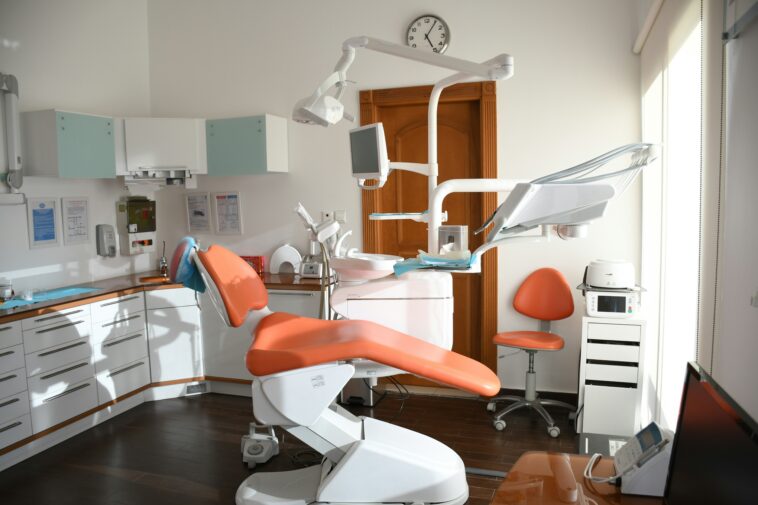
How Modern Construction is Transforming Dental Clinics into Smart Medical Spaces
Modern dental clinic design starts with the first seconds a paciente enters the building. Today, reception areas look less like hospitals and more like hotel lobbies. Designers use warm materials such as wood, stone, and soft fabrics to create comfort. Harsh white light is replaced by softer lighting that reduces stress and supports visual comfort. Subtle branding elements and local artwork make clínicas feel personal and trustworthy.
Waiting zones are also changing. Instead of strict rows of chairs, clinics now create lounge-style spaces with sofas, plants, and small tables. This supports emotional comfort before treatment begins. Beverage stations, digital screens with educational content, and calm background music improve the experience and help manage patient flow, often coordinated through a dental calendar that keeps appointments organized and visible for both staff and patients.


Comfort also depends on air quality and sound. Modern construction integrates ventilation systems that support hygiene and reduce odors. Acoustic panels limit noise from tools and equipment. These solutions help patients relax and help professionals concentrate.
Technology is part of the entrance space as well. Some clinics use chatbots to answer preguntas or show appointment status. Others install touch screens with information about diagnóstico and preventive care, all connected to software for dentists that synchronizes patient data, scheduling, and communication. These elements improve efficiency and reduce pressure on administrative staff.
Planning for these systems starts during construction. Layouts are created to support movement, privacy, and accessibility. This is how architecture, digital tools, and atención combine into a single experience that builds trust from the first visit.
The Importance of Dental Clinic Design
The role of dental surgery design goes far beyond appearance. A clinic is a medical environment where precision, safety, and comfort must work together. Good design improves patient confidence and helps odontólogos work with higher efficiency supported by integrated software for dentists that connects clinical and administrative workflows.
Patient Experience
Fear of pain, caries, or unknown procedures affects many patients. Calm colors, natural light, and organized rooms reduce anxiety. Clear navigation prevents confusion and supports dignity during care. When patients see modern tecnologías and clean digital systems – including visual records like an odontogram dental – they trust treatment plans more easily.
Operational Efficiency
Layout directly affects daily tasks. Short distances between treatment rooms, sterilization zones, and storage save time and energy. Clear pathways prevent congestion and reduce errors. A well-planned space supports faster diagnóstico and smoother treatment, especially when combined with digital scheduling tools such as a centralized dental calendar.
Fundamental Principles of Dental Clinic Design
Space Planning
Space planning organizes every area according to function. A typical clinic includes:
- Reception and waiting area near the entrance
- Treatment rooms close to sterilization
- Administrative zones away from patient traffic
This structure improves flow and protects privacy while allowing clinical information to move securely through software for dentists.
Ergonomics
Ergonomic furniture and adjustable tools reduce fatigue. Dental chairs, lighting, and monitors are positioned to support precision and long-term health of professionals who rely on accurate digital charts, including the odontogram dental, during procedures.
Infection Control
Design supports hygiene through:
- Easy-to-clean surfaces
- Proper ventilation
- Safe separation of clean and dirty zones
Correct handling of medical data and procedures is part of professional ethics. Digital systems follow the same logic: controlled access, traceability, and integration within professional software for dentists platforms.
Modern Trends in Dental Clinic Design
Biophilic Design
Natural materials, plants, and daylight reduce stress and support emotional balance.
Technology Integration
Modern clinical use includes:
- Digital X-rays
- Scans
- Patient management platforms and software for dentists
- Smart climate systems
These tools increase efficiency and quality of care while synchronizing imaging, treatment notes, and the odontogram dental in one environment.
Minimalist Aesthetics
Clean lines and neutral colors reduce visual noise and support focus.
How the Dentist’s Office Became the New Wellness Hub in Modern Healthcare
Dental offices no longer focus only on teeth and fillings. Today they play an important role in supporting overall wellness. Scientific research confirms strong connections between oral diseases and systemic conditions such as heart disease, diabetes, and chronic inflammation. Because of this link, dentists increasingly screen patients for early signs of broader health problems and document findings using structured digital records, including the odontogram dental, to track changes over time.
Modern dental practices are becoming wellness-oriented spaces where prevention, comfort, and lifestyle guidance are integrated into daily treatment and coordinated through intelligent software for dentists.
Expanded Role of Dental Offices
- Holistic care. Dentists now view oral health as part of the entire body system. Digital visualization tools and the odontogram dental help explain these connections clearly to patients.
- Preventive services. Clinics emphasize prevention supported by automated reminders and recall systems managed through a dental calendar, helping patients maintain consistent visits.
- Collaboration. Dental offices increasingly cooperate with other specialists, sharing structured records generated by software for dentists to ensure continuity of care.
- Advanced tools. Technologies such as 3D imaging and digital models allow dentists to visualize problems early and explain them clearly using mapped data inside the odontogram dental.
Why Dental Office Construction Requires Specialized Expertise
Dental construction is not the same as standard commercial building. It must support complex clinical workflows and strict medical standards, including infrastructure for digital imaging, secure servers, and software for dentists that manage diagnostics, documentation, and scheduling.
Patient Flow and Ergonomics
Reception areas should be welcoming and intuitive. Operatories must allow teamwork between dentist and assistant. Sterilization zones must avoid crossing clean and dirty instruments. Efficient movement is reinforced by a synchronized dental calendar that distributes appointments to prevent overload and waiting-time stress.
How AI Improves Dental Diagnosis
Artificial intelligence significantly improves dental diagnosis by processing large volumes of images and clinical data faster and more consistently than a human specialist can do alone. These AI tools are often embedded directly into software for dentists, allowing seamless analysis without switching systems.
Early Detection
AI software can detect subtle visual signs of:
- caries,
- bone loss,
- gum disease.
Findings are automatically mapped onto the odontogram dental, creating a clear visual history of disease progression.
Radiographic Analysis
Instead of manually reviewing every detail, dentists receive visual markers and analytical suggestions generated by the system and stored in the patient’s digital file within software for dentists.
AI in Treatment Planning
Predictive models analyze anatomical data to help plan implant placement, restoration design, and orthodontic movement while updating the odontogram dental in real time.
Benefits for Patients
- Faster answers. AI processes images within seconds using integrated software for dentists.
- Higher precision. Early lesions are documented visually in the odontogram dental.
- Lower long-term costs. Preventive visits scheduled through a dental calendar reduce the need for complex treatment.
FAQ
How long does dental construction take?
Renovations take weeks to months. New buildings usually take 4-9 months.
How much does it cost?
Cost depends on size, equipment, and location.
Can clinics stay open during renovation?
Yes, with phased work and planning.
Is digital design worth it?
Yes. It improves workflow and patient trust, especially when using integrated software for dentists.
Do smart clinics need special staff?
Staff need training but benefit from simpler systems, automated dental calendar management, and structured clinical visualization through the odontogram dental.
Conclusion
Modern dental software connects diagnostic, planning, and care into one digital flow. Smart construction and intelligent systems – including software for dentists, synchronized scheduling via a dental calendar, and precise clinical mapping with an odontogram dental – improve efficiency, calidad, and patient trust. Clinics that adopt digital design today prepare for the future of dentistry and medical innovation.