Grace Ashiru
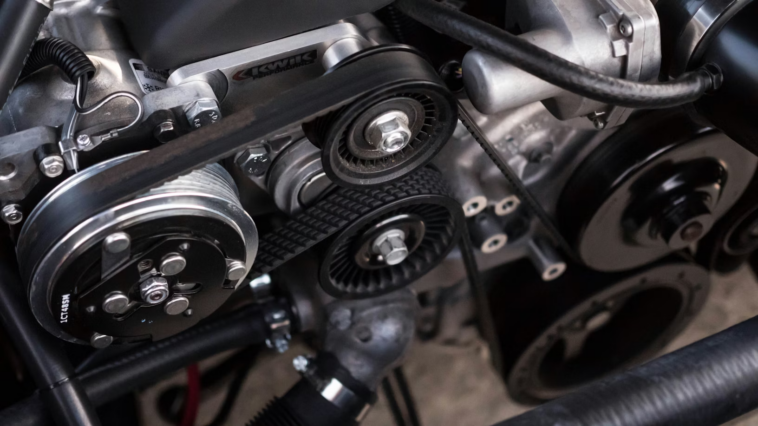
Diesel power remains the backbone of the global shipping industry. These massive machines move freight across continents every single day. Recent design changes have shifted the focus toward improved performance and fuel economy. Engineers are constantly finding new ways to get more power out of every drop of fuel. Newer models run quieter and produce fewer fumes than older trucks. Understanding these shifts helps fleet owners stay competitive in a changing market.
Looking Back at Early Designs
Diesel engines have changed quite a bit since Rudolf Diesel first patented his design back in the late 1800s. Early pioneers worked hard to refine heavy-duty diesel engine specifications so that these machines could handle the tough demands of industrial work. These older versions were much larger and heavier – far different from the compact units found in trucks today. They set the stage for the power we rely on for global shipping.


Maximizing Thermal Efficiency
Getting the most work out of a gallon of fuel is a top priority for manufacturers. Modern designs focus on reducing heat loss and improving the combustion cycle. One study from an international energy agency found that the best heavy-duty tractor engines currently reach around 45% efficiency at the crankshaft. This number represents a major step forward from the levels seen in previous decades. Most of the energy in the fuel is wasted as heat.
Engineers are now using better materials to keep heat inside the combustion chamber. This allows for a more complete burn of the fuel. Higher pressure in the cylinders also helps squeeze out every bit of power. These improvements mean that trucks can haul heavier loads without burning significantly more diesel. It is a win for both the environment and the bottom line of trucking companies.
Navigating Strict Emission Rules
The government sets strict rules on what can come out of an exhaust pipe. These regulations push companies to innovate faster than ever before. A fact sheet from a California environmental board mentioned that new standards for 2024 through 2026 represent a 75% reduction in nitrogen oxide emissions compared to 2010 models. This drop is massive and requires complex hardware to achieve. Manufacturers must redesign entire sections of the engine to meet these targets.
Staying compliant is not just about avoiding fines. It is about keeping the air clean in the communities where these trucks operate. New filters and scrubbers catch tiny particles before they leave the vehicle. These systems are now a standard part of every new heavy-duty build. They work silently in the background to keep the environment safe.
Advanced Fuel Injection Systems
The way fuel enters the engine has changed completely over the years. Mechanical pumps are mostly a thing of the past. A market research report noted that advanced injector designs, like piezoelectric types, allow for multiple injections in a single cycle. This means the engine can spray a tiny bit of fuel just before the main combustion happens. This “pilot injection” makes the engine run much smoother.
It also helps reduce the loud knocking sound that diesel engines are known for. By controlling the timing of the spray, engineers can make sure the fuel burns evenly. This leads to less soot and more power. The precision required for these parts is incredible. They operate at pressures that would easily cut through metal if not contained.
Smart Maintenance and AI Integration
Computers now play a huge role in how a truck is maintained. Sensors monitor every part of the engine in real-time. An industry insights post highlighted that predictive maintenance uses data and AI to guess when a part might fail before it actually happens. This helps fleet managers schedule repairs during regular downtime. It keeps the trucks on the road instead of sitting in a shop.
Data is sent from the truck to the cloud, where it is analyzed by software. If a sensor sees a weird vibration or a temperature spike, it sends an alert. This proactive approach saves thousands of dollars in emergency repair costs. It also extends the life of the engine by catching small problems before they turn into disasters. Modern engines are basically moving data centers.
- Real-time oil quality monitoring.
- Vibration analysis for bearings.
- Heat maps for the cooling system.
- Automatic software updates for the engine controller.
Economic Growth and Market Projections
 The demand for heavy-duty power is not slowing down. More people are buying goods online, which means more trucks are needed. A market analysis projected that the global heavy-duty engine sector will grow to over $108 billion by the year 2034. This growth is driven by the need for more efficient transport in developing nations. As economies grow, they need the power that only diesel can provide.
New markets are looking for engines that are easy to fix but still meet clean air goals. This creates a challenge for manufacturers who sell products all over the world. They must balance high-tech features with the reality of working in tough conditions. The industry is responding by creating modular designs that can be adapted for different regions. This flexibility is a key part of their business strategy.
The Shift Toward Cleaner Freight
While diesel is king, other technologies are starting to show up. Electric trucks and hydrogen power are no longer just ideas for the future. A factbook on zero-emission vehicles pointed out that global sales reached nearly 38,000 units in early 2024. This is still a small part of the total market, but the number is growing fast. Diesel engines are now competing with these new options.
This competition pushes diesel technology to get even better. To stay relevant, diesel must become cleaner and more efficient every year. We are seeing a “race to the top” where every type of fuel is trying to be the most sustainable. For now, diesel still holds the lead for long-haul shipping because of its energy density. It can carry a heavy load for a long distance without needing a recharge.
Diesel technology has come a long way since the early days of heavy trucking. The engines of today are cleaner, smarter, and much more powerful. The future of transport looks bright as these mechanical marvels continue to improve with every new model year.