Grace Ashiru
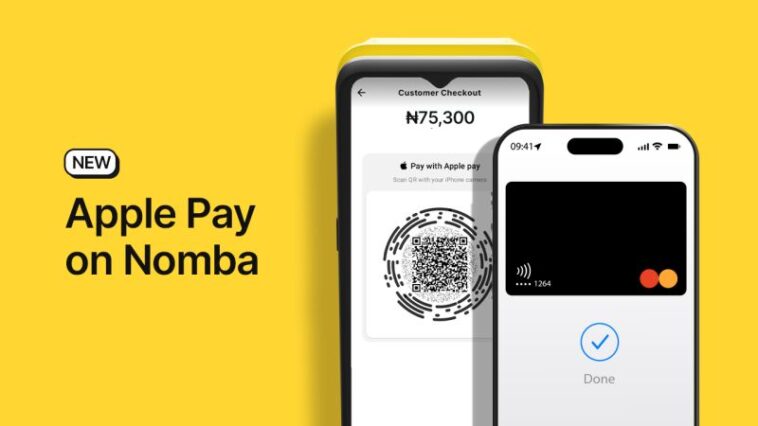
Nomba has integrated Apple Pay into its ecosystem, marking a major move for Nigerian fintech. Announced on December 23, 2025, this collaboration enables over 300,000 merchants to accept contactless payments via Apple Pay on POS terminals. This comes four years after Paystack’s 2021 launch, which primarily focused on digital “Checkout” for websites, while Nomba brings the technology directly into physical shops, providing a new payment avenue for both locals and tourists.
The timing of the launch is intentional, aimed at capitalizing on the “Detty December” season when the Nigerian diaspora and international tourists return home, bringing with them foreign-issued cards and a preference for contactless payments. For these visitors, Apple Pay solves the long-standing issue of foreign cards often failing to work on local POS terminals. Now, tourists can pay for goods and services in Nigeria by simply tapping their iPhone or Apple Watch on Nomba terminals, with quick authentication via FaceID or TouchID.


While the integration is a win for businesses, there’s a significant hurdle for Nigerian consumers. Currently, locals are unable to add their Naira Mastercard or Visa cards to Apple Wallet due to regulatory barriers and Apple’s lack of support for local currency card tokenisation. This limits Apple Pay’s usefulness to businesses targeting international customers, rather than the local population.
Another challenge is the issue of settlement currency. Merchants in Nigeria, facing a tight liquidity environment due to the Central Bank of Nigeria’s recent withdrawal limits, still need foreign exchange to settle transactions. Although Nomba facilitates the process, many local businesses are paid in Naira at official exchange rates, meaning the potential for “dollar democratization” for small exporters remains limited to the success of the transaction, not the ability to hold foreign currency.
Looking ahead, Nomba’s integration with Apple Pay signifies a shift in the fintech landscape, positioning Nomba as a key player in Nigeria’s global-facing economy. The move could change how Nigerian SMEs engage with the international market. Whether it can evolve from a luxury for tourists into a reliable tool for local businesses will depend on whether Apple Pay becomes a go-to payment method for Nigeria’s small and medium enterprises.