Grace Ashiru
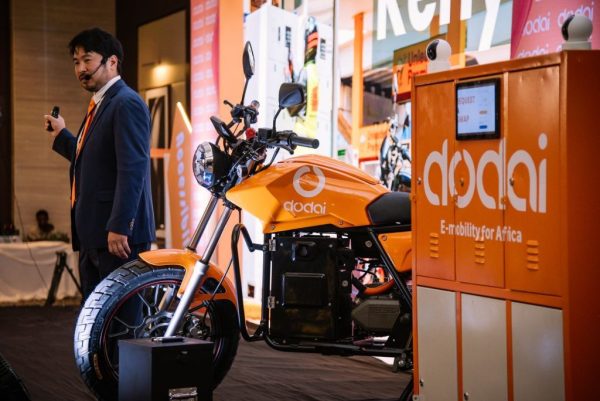
Three years ago, when most investors were still sceptical about electric mobility in Africa’s frontier markets, a Japanese entrepreneur quietly set up shop in Addis Ababa and started assembling electric motorbikes. That early conviction is now drawing serious institutional backing.
Dodai has raised $13 million in a Series A round split between $8 million in equity and $5 million in debt, to accelerate the deployment of electric motorbikes and battery-swapping infrastructure across Ethiopia. The round drew participation from Value Chain Innovation Fund, UTokyo Innovation Platform, Nagase, Persistent ACV Fund, For Seasons, CBC, and Inclusion Japan, alongside British International Investment, the UK’s development finance institution, which provided the debt portion.


Founded by Japanese entrepreneur Yuma Sasaki, Dodai locally assembles electric motorbikes in Addis Ababa and operates a battery-swapping network that allows riders to replace a depleted battery with a fully charged one in minutes, eliminating charging downtime. The model is designed specifically for delivery drivers and motorcycle taxi operators who need maximum uptime to earn a living. Riders who switch from fuel-powered motorcycles to Dodai’s electric bikes reduce fuel and maintenance costs by 80 to 90 per cent.
Sasaki was deliberate about choosing Ethiopia over more obvious markets. “Nigeria and Kenya are attractive but crowded. Ethiopia and the DRC are large but difficult, with fewer competitors. That means more impact if we succeed,” he said. The choice has been validated by a uniquely favourable policy environment: Ethiopia banned the import of fuel-powered private vehicles in 2024 and extended that ban to gasoline and diesel trucks in 2025, with around 100,000 electric vehicles now recorded on the country’s roads.
Since launching, Dodai has deployed more than 2,000 electric motorbikes and built a team of approximately 100 employees, 97 per cent of whom are Ethiopian. Motorcycles are priced at around 150,000 Ethiopian birr, approximately $1,170, with monthly payment plans available through Vision Fund, a microfinance company. The company’s three-year target of 30,000 users and 1,000 battery-swapping stations in Addis Ababa would make it one of the most concentrated e-mobility networks in Africa, before expansion into Abidjan, Kinshasa, Accra, and Dar es Salaam from 2028.
BII CEO Leslie Maasdorp said Ethiopia is emerging as one of Africa’s most compelling frontier markets for the clean mobility transition, where the right capital can unlock outsized impact and long-term value. BII’s Africa Resilience Investment Accelerator, a collaborative initiative co-funded with FMO and Proparco to boost investment in frontier markets, played a critical role in supporting the investment process. The deal also aligns with BII’s new 2026-2031 strategy, which targets at least 25 per cent of new investments in least-developed country markets and at least 40 per cent in climate finance.