Grace Ashiru
The funding that gets the least attention is often the funding that matters most. Across Africa, the gap between a founder’s first idea and their first institutional cheque remains one of the most consequential bottlenecks in the startup ecosystem — and nowhere is this gap wider than at the pre-seed and seed stages in Francophone West Africa.
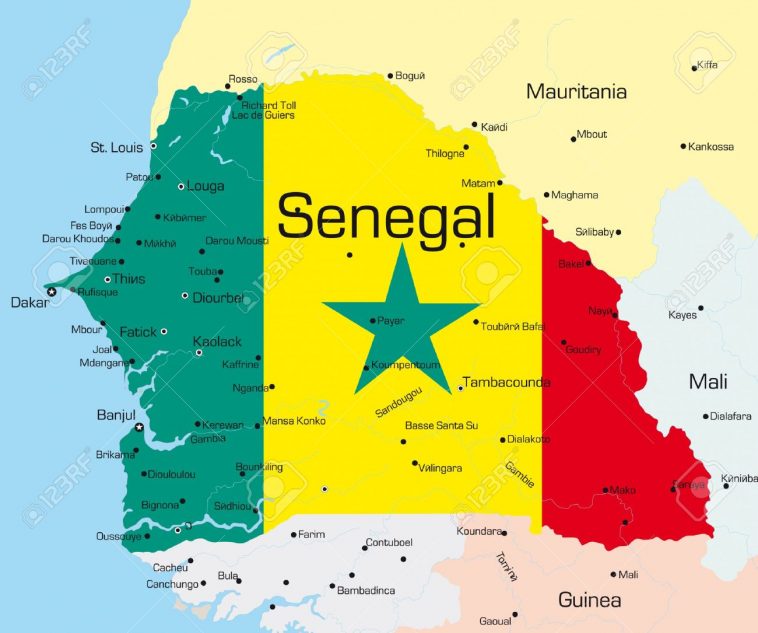
Senegal’s Rapid Entrepreneurship Delegation for Women and Youth (DER/FJ) has announced the creation of the Catalyst DER/FJ fund, a $50 million vehicle that will finance innovative Senegalese startups at the pre-seed and seed stages. The announcement was made by DER/FJ General Delegate Aida Mbodji at VivaTech 2026 in Paris on June 20.


The numbers frame the problem clearly. Seed-stage financing currently represents only 1.5% of total capital invested across Africa — a share that runs three to four times below the 4% to 6% typically recorded in the United States, according to data from Africa: The Big Deal. The structural consequence is that many founders are running out of runway precisely when they are still validating their models, assembling teams, and building early products.
Grégoire de Padirac, CEO of Digital Africa under the AFD-Proparco group, recently described seed financing as the cornerstone of African innovation, one that is routinely overshadowed by the headline fundraises that dominate coverage of the continent’s startup ecosystem.
Senegal’s approach is to mobilise public capital to attract private investment, generate a leverage effect, and strengthen the country’s startup competitiveness. Following the fund’s launch, five Senegalese startups — Andakia, Baamtu, SenITI, FAJMA, and Absar — pitched to an audience of international investors and strategic partners in Paris, offering a window into the pipeline the Catalyst DER/FJ fund is designed to support.
For observers of Francophone West Africa’s venture landscape, this is a meaningful policy signal. Institutional capital at the earliest stage is rare in the region, and a $50 million public vehicle aimed squarely at pre-seed and seed represents an intentional effort to build the part of the investment chain that private markets have consistently underfunded.