Grace Ashiru
South Africa has no shortage of promising startups. The harder part is helping enough of them become businesses that later-stage investors are willing to back.
Many young companies get stuck in the gap between proof of concept and scale. They may have a working product, a handful of customers and the beginnings of revenue, but they are still some way from the predictable growth, systems and operational maturity that Series A investors usually want to see.

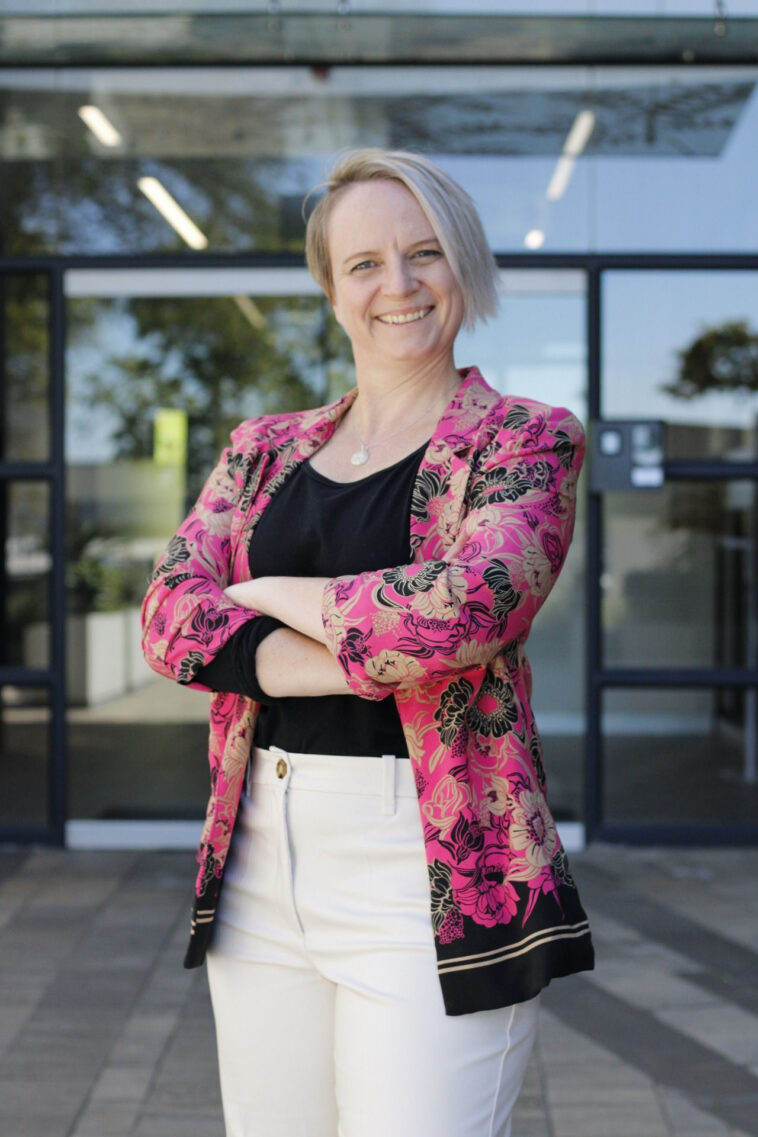
Kerryn Campion, COO at Aions Ventures, believes this is one of the most fragile points in a startup’s development.
In an exclusive contribution shared with this publication, Campion said the opportunity behind a business may already be clear at this stage, while the company itself is still being built around it. Seed capital can give founders the runway to do that work, but she argues that funding on its own is rarely enough.
If South Africa wants more startups to reach Series A, scale internationally and create sustainable businesses, she believes more attention needs to be paid to what happens much earlier in the funding cycle.
The pipeline starts at seed
Every company that eventually reaches Series A first has to make it through the uncertainty of the seed stage.
The 2025 South African Venture Capital and Private Equity Association Venture Capital Survey found that R3.29 billion was deployed to startups in 2024 across 222 investment rounds involving 110 companies.
The level of activity points to continued investor appetite, but Campion argues that the number of companies moving through the pipeline remains relatively narrow for an economy that wants to build a deeper venture market.
Later-stage investors can only invest in companies that have had the chance to develop far enough to meet their requirements. If too few businesses receive support at seed stage, the effects are eventually felt further up the funding chain.
A cheque does not build a company
For early-stage founders, a shortage of capital is often only one part of the problem.
Commercialisation, inconsistent revenue, governance, financial management and hiring can all become obstacles as a business begins to move beyond its founding idea.
Campion does not view seed investment as a passive allocation of capital. She argues that investors at this stage need to understand what is preventing a company from becoming commercially stronger and help founders address those gaps.
That might mean improving management information, pressure-testing a route to market, tightening financial discipline or identifying weaknesses in the team before they become more difficult to fix.
There are limits to that involvement. The founder still runs the business and remains responsible for its decisions. The investor’s role, Campion says, is to spot risks early, challenge assumptions and bring experience to problems that founders may be encountering for the first time.
The wider African startup market shows how common this kind of structured support has become.
According to Disrupt Africa’s African Tech Startups Funding Report 2025, 88 of the 178 African technology startups funded in 2025 had participated in an accelerator or incubation programme before or during their raise.
That does not mean accelerator participation causes a company to secure investment. It does, however, suggest that structured support is a regular feature of the journey for many startups that go on to raise capital.
Why specialist managers matter
Seed investing also demands a different kind of assessment from later-stage investing.
An early company may not yet have years of financial history or enough operating data to make the investment case obvious. Investors therefore have to make judgements about the founding team, the market, the commercial model and whether the company can realistically turn early traction into a scalable business.
Campion sees a role here for specialist fund managers, including those backed through fund-of-funds structures.
For institutional investors, these structures can provide access to a part of the market that may be difficult to reach directly. Specialist managers can identify opportunities earlier, assess founders in their local context and remain more closely involved as companies develop.
For founders, the benefit is not simply access to capital. It is access to investors who understand the work required between receiving a seed cheque and becoming ready for a larger funding round.
The case goes beyond venture capital
The argument for a stronger seed market is also tied to South Africa’s wider economic challenges.
Statistics South Africa reported that the country’s official unemployment rate stood at 32.7% in the first quarter of 2026. Among people aged 15 to 24, it was 60.9%, while the rate for those aged 25 to 34 was 40.6%.
Startups cannot solve unemployment on their own, and it would be unrealistic to expect them to. But companies that survive the early stages and grow can create jobs, build supplier networks, commercialise local ideas and keep more economic value within the country.
Campion also argues that a broader seed pipeline could help bring more women and Black founders into the formal investment market.
That will require more than making capital available. Founders also need access to investors and fund managers who are willing to identify potential early and help companies build the governance, financial discipline and commercial capability needed to compete for larger pools of funding.
The central issue, Campion argues, is one of timing.
South Africa cannot expect a larger pool of Series A-ready companies if too few businesses are given the support needed to reach that point.
The work of building investable companies starts long before a Series A term sheet lands on the table. It starts at seed stage.