Grace Ashiru
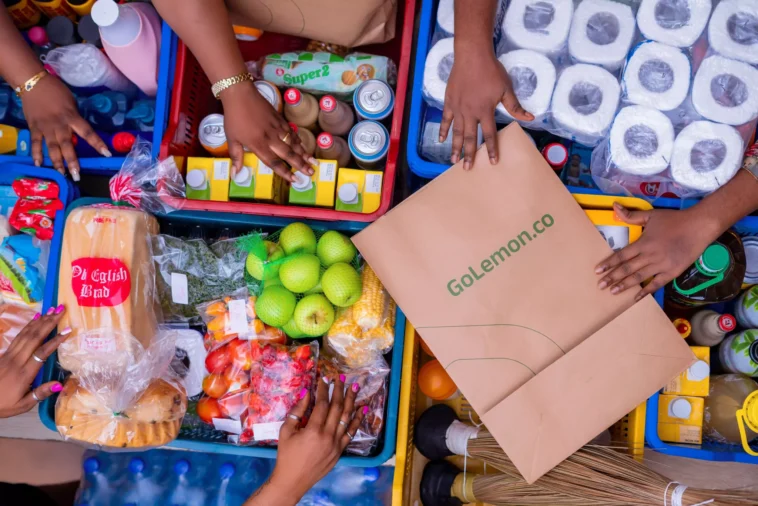
Nigeria’s food-tech sector has taken its second major hit in four months. GoLemon, the Lagos grocery delivery startup founded by former Paystack staff, has stopped taking new orders and will fully shut its customer support channels on August 2, after it couldn’t raise the funding needed to keep going.
The closure follows cloud-kitchen startup FoodCourt’s operational pause back in March, when unpaid salaries triggered staff strikes and debt pressure forced it to shutter its remaining kitchens in Lagos and Abuja. FoodCourt says it’s restructuring with hopes of returning, but its near-collapse already exposed how financially fragile venture-backed businesses that own their own kitchens, inventory, and delivery fleets have become. Together, the two failures are now widely seen as evidence that Nigeria’s “full-stack” food-tech model — companies controlling every link in the supply chain — is struggling to hold up.

That’s a different bet from marketplace apps that simply connect diners or shoppers to existing restaurants and stores. FoodCourt ran its own central kitchens under several virtual restaurant brands; GoLemon sourced directly from farmers and manufacturers, ran its own warehouses, and built its own delivery tech in-house. The pitch was better quality control, lower prices, and stickier customers — but it came with heavy fixed costs that grew harder to carry as inflation, high diesel prices, and squeezed household budgets took their toll.
GoLemon says individual orders were profitable — its average basket size ran around ₦43,700 (about $32) — but the company never hit the order volumes needed to cover the overhead of warehouses, engineering, and logistics. Founders acknowledged that demand for planned, large-basket grocery shopping was real, but the business needed another funding round to become self-sustaining. When that capital didn’t materialize before its runway ran out, the company chose to wind down.
The shutdown reflects a broader shift in how investors are treating African consumer startups. Capital that flowed freely during the 2021–2022 boom, often chasing growth over profitability, has become far more selective — funders now want to see sound unit economics, not just user numbers. That shift has hit asset-heavy consumer businesses — the ones running warehouses, kitchens, and large operational teams — especially hard.
By contrast, platforms like Chowdeck and Glovo, which operate as lean marketplaces connecting customers to existing restaurants and stores rather than owning the supply chain themselves, have proven more resilient in the current climate.
GoLemon had actually begun moving in that direction: in December 2025, it partnered with Chowdeck, letting customers order its groceries through the Chowdeck app while GoLemon handled sourcing and fulfilment. The deal expanded its reach, but wasn’t enough to offset the funding and cost pressures it was already facing. The company reportedly explored other strategic deals as well, but none closed before its cash ran out.
For venture investors, the back-to-back failures are likely to accelerate an existing shift toward backing partnership-driven, asset-light platforms over businesses trying to own the entire value chain — a reminder that strong customer demand alone isn’t enough to survive if a company can’t scale fast enough before the funding dries up.