Grace Ashiru
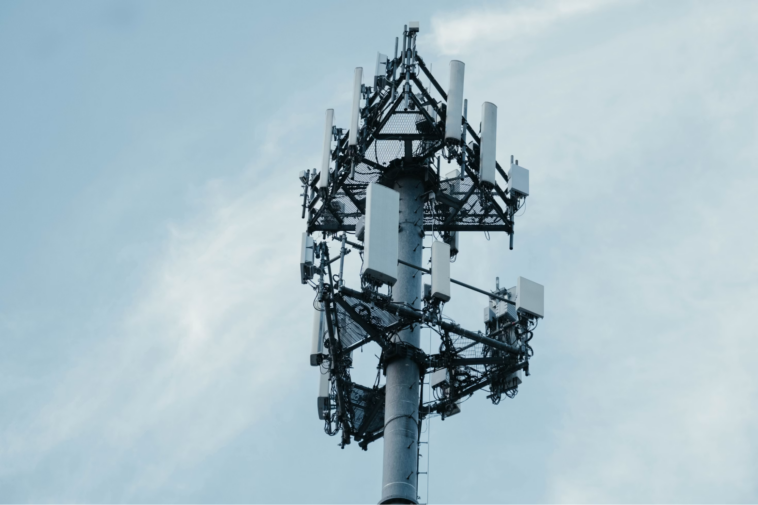
4G LTE densification and 5G mid-band expansions pushed average mobile download speeds higher across major metros. When local mobile network operators upgraded radio towers from Johannesburg down to Cape Town, the baseline expectation for phone software changed permanently.
Slow loading times feel like failures more than they feel like delays. If an app takes four seconds to fetch live data, you swipe it away and open something else.


Faster connectivity didn’t just shorten download times. It rewired how we evaluate whether an application deserves space on our home screens.
Network Speed and the Shift in Daily UI Tolerances
Back when 3G was the primary mobile connection across the country, developers built software around heavy caching systems and static visual frames. Applications would fetch data once on launch, freeze the screen to process the payload, lock input buttons, and display static information that required manual pull-to-refresh gestures.
If we think back to those early mobile software setups, tapping a button meant staring at a blank container while a progress bar crawled across the top frame. 5G connections eliminated that lag.
When data moves at ninety megabytes per second, users expect live interface updates to happen in the background without locking the screen. Touch inputs trigger immediate visual feedback – an instant button state change or a quick micro-animation – while the backend network request resolves itself.
Real-Time Data Streaming and Live Updates
High-bandwidth networks opened the door for live data feeds that stream continuous telemetry straight to your device. Banking apps update account balances in real time, navigation software reroutes around N1 traffic jams, weather apps update cloud coverage overlays, and sports platforms push live match statistics without requiring a page reload.
When developers build a sports betting app for South African users, the underlying network architecture has to process thousands of live odds adjustments every second. A sudden goal in a PSL match or a wicket in a cricket test match alters the data stream. On a fast 4G or 5G connection, those shifting values render smoothly to give you immediate visual clarity over match conditions.
This creates a dynamic interface where spatial layout remains. Numerical feeds for scoreboards, pricing, tracking, and transaction confirmations continue to update.
Lightweight Code and Offline Persistence
Faster network speeds didn’t make local storage irrelevant. Modern applications handle connection drops, whether you walk into a concrete basement or hit a temporary coverage dead zone between towers, by utilizing local offline caching.
The software saves your session state to your device memory. If your signal drops for ten seconds, the app displays your current screen without crashing, queueing any pending inputs, and syncing them up the moment your phone reconnects to a tower.
Then again, data efficiency remains critical for prepaid mobile data users. Software builders optimize asset packages by stripping out uncompressed video files, compressing image payloads, using vector graphics for UI elements, and minifying core JavaScript bundles.
You get crisp visual performance, low latency, instant transitions, and minimal data consumption across every session.